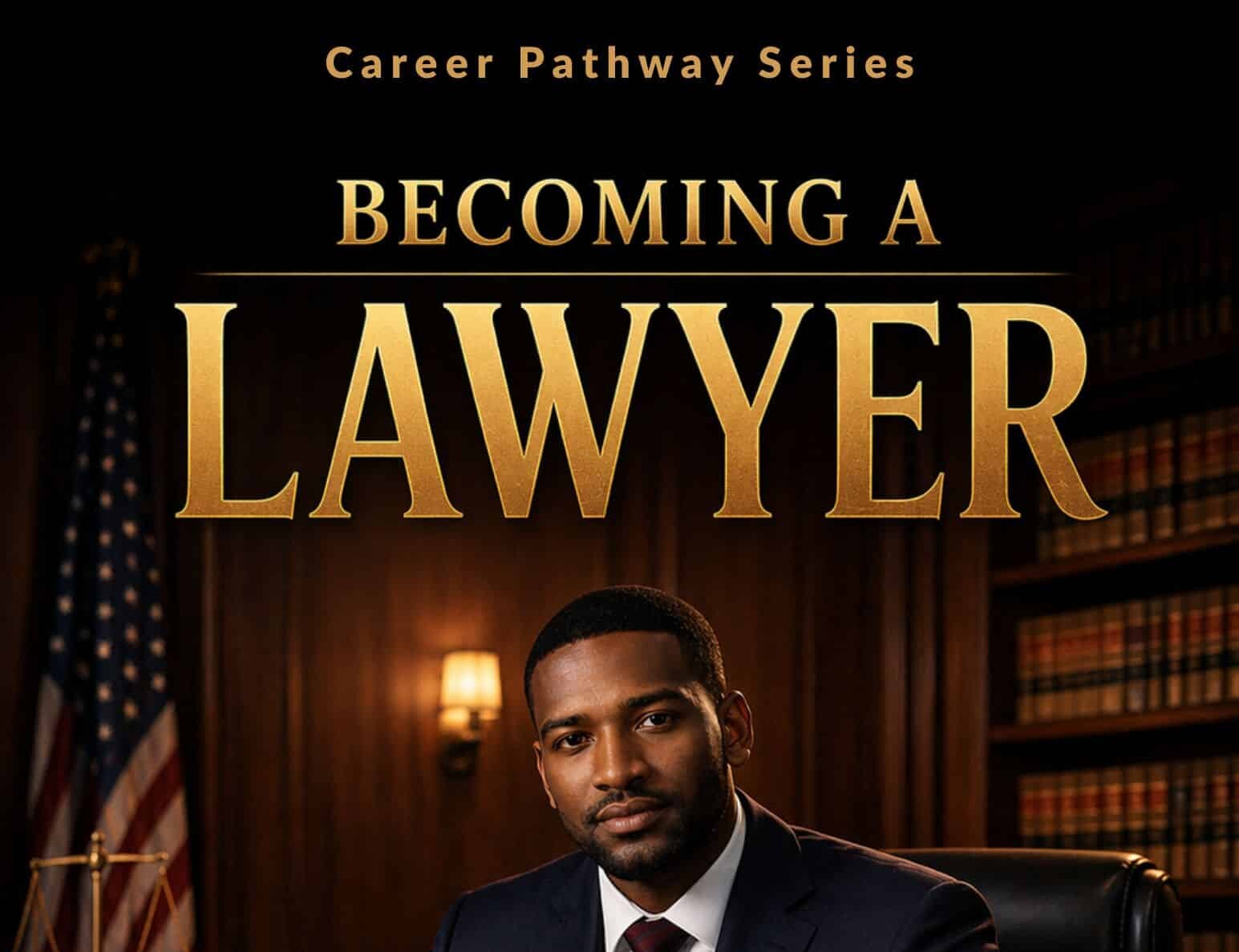
Course Title: Becoming a Lawyer
Number of Credits: 2 Credits (30 hours)
Objectives
LEARN CONCEPT 1: Law is a system that shapes everyday life. The legal system affects housing, business, education, family life, and individual rights. Lawyers operate within this system to solve problems, protect people, and navigate complex rules that impact society daily.
LEARN CONCEPT 2: Lawyers are professional problem-solvers—not just courtroom performers. Most legal work happens through reading, writing, researching, and advising. Strong lawyers understand details, anticipate risks, and use logic to guide decisions long before a case ever reaches court.
LEARN CONCEPT 3: Logic, reading, and argumentation are core legal skills. The foundation of law is the ability to analyze information, identify flaws in reasoning, and construct persuasive arguments. These skills are valuable not only in law, but in any career.
LEARN CONCEPT 4: You can begin building legal skills now. Students do not need to wait for law school to start developing relevant skills. Reading deeply, writing clearly, debating respectfully, and thinking critically are all accessible starting points for a future in law.
Course Overview
Every society relies on laws to function, and every law requires people who understand and apply it. This course introduces students to the legal profession, exploring what lawyers actually do, the different types of legal careers, and the path required to enter the field.
From Student to Legal Thinker
Most people see law from the outside—as rules or court cases. Lawyers see the structure behind those rules: how laws are written, interpreted, challenged, and applied. This course helps students shift from simply following rules to understanding how legal systems work.
Students will examine real-world legal scenarios, learn how arguments are constructed, and explore how lawyers influence outcomes that affect individuals, businesses, and entire communities. By the end of the course, students will understand both the opportunities and responsibilities of a career in law.
The 5 Traits of Successful Legal Professionals
Analytical Thinking: Ability to break down complex information and identify key issues
Communication: Clear writing and persuasive speaking
Attention to Detail: Precision in reading and interpreting legal language
Ethics: Commitment to fairness, honesty, and professional responsibility
Resilience: Ability to handle pressure, complexity, and long-term challenges
Course Outline
- Introduction: What Is Law and Why It Matters?
- Chapter 1: What Lawyers Actually Do
- Chapter 2: Types of Lawyers and Career Paths
- Chapter 3: Winning Arguments and Legal Reasoning
- Quiz 1 (Chapters 1–3)
- Chapter 4: The Road to Law School
- Chapter 5: Good Lawyers vs. Bad Lawyers
- Chapter 6: Professional Skills: Thinking, Presentation, and Judgment
- Quiz 2 (Chapters 4–6)
- Chapter 7: Famous Lawyers and Legal Impact
- Chapter 8: Your Future in Law
- Final Reflection / Project
Description of Activities
- Read and analyze course chapters and real-world legal scenarios
- Watch educational videos on legal reasoning and career paths
- Participate in discussions about ethical dilemmas and legal decisions
- Practice identifying flaws in arguments and building logical responses
- Engage in classroom activities such as mock client interviews and debates
- Complete quizzes to assess understanding of key legal concepts
- Reflect on personal interests and potential career pathways in law
- Complete a final written or presentation-based project