• Course Title: Becoming An Accountant Number of Credits: 2 Credits (30hours) Objectives Here are the four concepts that will change how you see money forever:  
    LEARN CONCEPT 1:  Saving money reaps rewards in the future. This sounds obvious, yet most people never do it. The student who saves $50 a month from age 16 will have over $600 by graduation. Invested wisely, that seed grows. Know this concept and practice it, and you will win big. LEARN CONCEPT 2:  Spending money on things that make money is called investing. Jake (you'll meet him in Chapter 7) bought a truck and a commercial mower with his savings, not sneakers. That purchase made him more money. Spending on things that earn you MORE money is the single biggest difference between the wealthy and everyone else. Know this concept and you will win big. LEARN CONCEPT 3:  A Profit & Loss (P&L) report shows you whether you are winning or losing with money. If you track what comes in and what goes out, you will never be surprised by an empty bank account. Every business uses a P&L. Every finance professional read one. You will too, by the end of this course. LEARN CONCEPT 4:  A little discipline on your finances today creates long-term freedom. Jake summed it up perfectly at his graduation party. When asked what was the best thing he bought with his savings, he said: "Freedom. I bought freedom." Discipline is not about being cheap. It is about being in control.
    Course Overview The 3 Ms of Finance, A Letter to Students  
    Dear Future Finance Rockstar, Have you ever wondered why some people always seem to have money while others are always broken, even when they earn the same amount? The answer is not luck. It is not talent. It is not even how much you earn. It is three simple things:
     
    M1 MAKE Money Earn it, jobs, side hustles, businesses M2 MANAGE Money Budget, save, track every dollar M3 MULTIPLY Money Invest, make your money work for you
     
    👩🏫 TEACHER TIP When speaking to high schoolers, don't try to push every concept at once. Keep it simple and come back to these 3 M's again and again. The lemonade stand, the grass-cutting business, and the newspaper route help make these concepts practical and real. If students remember only one thing from this course, let it be: Make, Manage, multiply.
      Finance is About Mastering CONCEPTS, Not Memorizing Formulas This course is built around a powerful idea: the person who understands a few core financial concepts, and actually applies them, will outperform someone who memorized every formula in the textbook but never put them to use.   Course Outline Welcome, The 3 Ms of Finance, A Letter to Students 3 Chapter 1, Money 101, Understanding Your Own Finances 5 Chapter 2, The Language of Finance, Key Accounting Concepts 7 Chapter 3, Real-World Scenarios, Finance on the Job 9 Chapter 4, The Finance Career, Jobs, Descriptions & Career Path 12 Chapter 5, Getting Hired (Or not!), Resumes & What Goes Wrong 14 Chapter 6, Your Roadmap, Education, Courses & Next Steps 16 Chapter 7, Taking the Pathway Untrodden, Smart Stories of Young Winners 18   Description of Activities
    1. Read through the lesson content and watch the videos
    2. Take short quizzes
    3. Complete a writing assignment to reflect on your own interest and skill set as related to the career pathway being considered in this lesson. 
    4. Post written responses in a forum
  • Course Title: A Career in Law Enforcement (Police Work) Number of Credits: 2 Credits (30 hours) Objectives LEARN CONCEPT 1: Law enforcement is about service, responsibility, and real-world problem-solving—not what you see on TV. Most of the job involves communication, decision-making, and community interaction rather than high-intensity action. LEARN CONCEPT 2: Law enforcement offers multiple career paths, but almost all begin in patrol. Patrol experience builds the foundation required for advancement into investigations, specialized units, and leadership roles. LEARN CONCEPT 3: The profession demands strong communication, sound judgment, physical fitness, and personal integrity. These qualities are evaluated long before hiring and can be developed starting now. LEARN CONCEPT 4: The hiring process is rigorous and selective, designed to evaluate readiness, character, and trustworthiness. Preparation, honesty, and consistency are what separate successful candidates from the rest.  

    Course Overview

    Law enforcement is one of the most demanding and impactful careers in the United States. This course introduces students to the realities of the profession—what officers actually do, how different agencies operate, and what it takes to enter and succeed in the field. From Observer to Prepared Applicant Most people see law enforcement from the outside. This course shifts that perspective by explaining how the job actually works—from patrol responsibilities to report writing, crisis response, and long-term investigations. Students will explore the structure of law enforcement agencies, daily responsibilities, career pathways, and hiring expectations. By the end of the course, students will understand not just the job—but how to prepare for it before ever applying. The 4 Traits of Successful Law Enforcement Candidates Communication: Listening, de-escalation, and clear report writing Judgment: Decision-making under pressure and situational awareness Physical Fitness: Strength, endurance, and long-term conditioning Character: Integrity, accountability, discipline, and professionalism

    Course Outline

    • Introduction: What Is Law Enforcement?
    • Chapter 1: What Police Officers Actually Do Chapter 2: Types of Law Enforcement Careers Chapter 3: Skills and Traits Needed
    • Quiz 1 (Chapters 1–3)
    • Chapter 4: Education and Requirements Chapter 5: The Hiring Process Chapter 6: How to Start Now
    • Quiz 2 (Chapters 4–6)
    • Final Exam (Essay-Based) Final Reflection

    Description of Activities

    • Read and analyze course content and real-world law enforcement scenarios
    • Watch career-focused videos on law enforcement roles and responsibilities
    • Complete quizzes to assess understanding of key concepts
    • Participate in discussions about ethical situations, decision-making, and community interactions
    • Reflect on personal readiness, strengths, and areas for improvement
    • Complete a final written essay and personal action plan
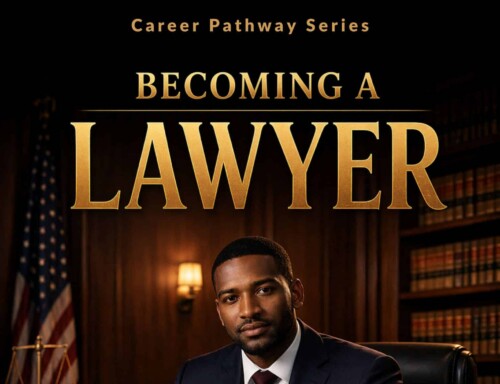
  • Course Title: Becoming a Lawyer Number of Credits: 2 Credits (30 hours) Objectives LEARN CONCEPT 1: Law is a system that shapes everyday life. The legal system affects housing, business, education, family life, and individual rights. Lawyers operate within this system to solve problems, protect people, and navigate complex rules that impact society daily. LEARN CONCEPT 2: Lawyers are professional problem-solvers—not just courtroom performers. Most legal work happens through reading, writing, researching, and advising. Strong lawyers understand details, anticipate risks, and use logic to guide decisions long before a case ever reaches court. LEARN CONCEPT 3: Logic, reading, and argumentation are core legal skills. The foundation of law is the ability to analyze information, identify flaws in reasoning, and construct persuasive arguments. These skills are valuable not only in law, but in any career. LEARN CONCEPT 4: You can begin building legal skills now. Students do not need to wait for law school to start developing relevant skills. Reading deeply, writing clearly, debating respectfully, and thinking critically are all accessible starting points for a future in law.  

    Course Overview

    Every society relies on laws to function, and every law requires people who understand and apply it. This course introduces students to the legal profession, exploring what lawyers actually do, the different types of legal careers, and the path required to enter the field.

    From Student to Legal Thinker

    Most people see law from the outside—as rules or court cases. Lawyers see the structure behind those rules: how laws are written, interpreted, challenged, and applied. This course helps students shift from simply following rules to understanding how legal systems work. Students will examine real-world legal scenarios, learn how arguments are constructed, and explore how lawyers influence outcomes that affect individuals, businesses, and entire communities. By the end of the course, students will understand both the opportunities and responsibilities of a career in law.

    The 5 Traits of Successful Legal Professionals

    Analytical Thinking: Ability to break down complex information and identify key issues Communication: Clear writing and persuasive speaking Attention to Detail: Precision in reading and interpreting legal language Ethics: Commitment to fairness, honesty, and professional responsibility Resilience: Ability to handle pressure, complexity, and long-term challenges

    Course Outline

    • Introduction: What Is Law and Why It Matters?
    • Chapter 1: What Lawyers Actually Do
    • Chapter 2: Types of Lawyers and Career Paths
    • Chapter 3: Winning Arguments and Legal Reasoning
    • Quiz 1 (Chapters 1–3)
    • Chapter 4: The Road to Law School
    • Chapter 5: Good Lawyers vs. Bad Lawyers
    • Chapter 6: Professional Skills: Thinking, Presentation, and Judgment
    • Quiz 2 (Chapters 4–6)
    • Chapter 7: Famous Lawyers and Legal Impact
    • Chapter 8: Your Future in Law
    • Final Reflection / Project

    Description of Activities

    • Read and analyze course chapters and real-world legal scenarios
    • Watch educational videos on legal reasoning and career paths
    • Participate in discussions about ethical dilemmas and legal decisions
    • Practice identifying flaws in arguments and building logical responses
    • Engage in classroom activities such as mock client interviews and debates
    • Complete quizzes to assess understanding of key legal concepts
    • Reflect on personal interests and potential career pathways in law
    • Complete a final written or presentation-based project
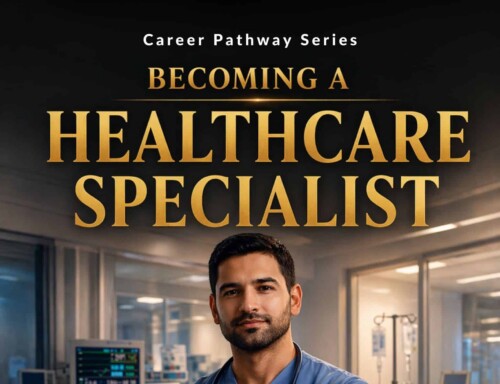
  • Course Title: BECOMING A HEALTHCARE SPECIALIST Number of Credits: 2 Credits (30 hours) Objectives LEARN CONCEPT 1: Healthcare is a calling built on service, science, and human connection. At its core, healthcare is about showing up for people in their most vulnerable moments. Whether it is a doctor diagnosing illness, a nurse providing care, or a dentist restoring confidence, every role exists to improve lives in real, measurable ways. LEARN CONCEPT 2: There are multiple pathways into healthcare, each requiring dedication and preparation. Becoming a physician, nurse, or dentist follows different educational paths, but all require discipline, long-term commitment, and early preparation. This course helps students understand those pathways clearly. LEARN CONCEPT 3: Skill, training, and responsibility directly impact human lives. Healthcare professionals make decisions that can save or endanger lives. Proper training, attention to detail, and communication are not optional—they are essential to safe and effective care. LEARN CONCEPT 4: Preparation starts now, not later. The habits, coursework, and experiences students build in high school shape their future opportunities. Early exposure, volunteering, and academic focus create a strong foundation for success in healthcare careers.  

    Course Overview

    Healthcare is one of the most essential and fastest-growing career fields in the world. This course introduces students to three major healthcare pathways: physicians, nurses, and dentists, while helping them understand what each role truly requires.

    From Student to Healthcare Professional

    Most students experience healthcare as patients. This course shifts that perspective by helping them understand what it means to provide care, make decisions, and take responsibility for others. Students will explore real expectations, including the length of education, daily responsibilities, emotional demands, and rewards of each career. The goal is not just awareness, but clarity—so students can decide if this path is right for them.

    The 5 Traits of Successful Healthcare Professionals

    • Empathy: Understanding patient experiences and responding with care
    • Discipline: Managing rigorous academic and professional demands
    • Attention to Detail: Preventing errors that could impact patient safety
    • Communication: Explaining complex information clearly and effectively
    • Resilience: Staying focused and composed in high-pressure environments

    Course Outline

    • Welcome, Introduction to Healthcare Careers, A Letter to Students
    • Chapter 1: The World That Heals, Introduction to Healthcare Careers
    • Chapter 2: The Doctor in the Room, Medical Pathways and Specialties
    • Chapter 3: The Heart of the Hospital, Nursing Roles and Impact
    • Chapter 4: The Smile Makers, Dentistry Careers and Opportunities
    • Chapter 5: Your Roadmap, Education, Certifications, and Preparation
    • Chapter 6: Resume, Reality, and Reward, Careers, Salaries, and Expectations
    • Final Project: Your Healthcare Career Reflection

    Description of Activities

    • Read course chapters and analyze real-world healthcare scenarios
    • Watch curated video resources on healthcare careers
    • Complete quizzes to reinforce understanding of key concepts
    • Participate in class discussions and reflections
    • Conduct independent research on healthcare careers
    • Complete a final reflective essay and optional presentation
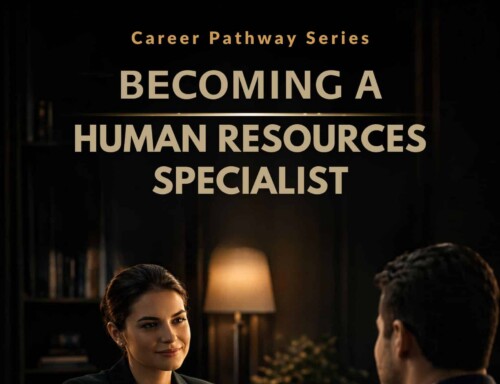
  • Course Title: Becoming a Human Resources Professional Number of Credits: 2 Credits (30 hours) Objectives LEARN CONCEPT 1: People are a company’s greatest asset—and its greatest risk. Every organization depends on its people to perform, collaborate, and grow. Human Resources exists to manage that reality effectively, ensuring employees are supported while protecting the organization from costly mistakes. LEARN CONCEPT 2: HR is both operational and strategic. HR is not just paperwork and hiring—it shapes how organizations grow, retain talent, and perform. Strong HR systems reduce turnover, improve culture, and directly impact business success. LEARN CONCEPT 3: Every workplace decision affects performance and culture. Hiring the wrong person, failing to train employees, or ignoring workplace conflict has real consequences. HR professionals design systems that influence how people work, interact, and succeed. LEARN CONCEPT 4: You can start building an HR career now. You do not need prior HR experience to begin. Communication, organization, and initiative are transferable skills that can open the door to entry-level HR roles and long-term career growth.

    Course Overview

    Every company that employs people faces HR challenges—whether or not they have a formal HR department. This course introduces students to how organizations hire, develop, manage, and retain employees, and how HR professionals solve real business problems.

    From Employee to Organizational Thinker

    Most people experience work as employees. HR professionals see the system behind the work: how people are selected, trained, evaluated, and supported. This course helps students shift from simply participating in a workplace to understanding how it operates. Students will explore real-world HR functions, including hiring, training, compensation, and workplace culture. By the end of the course, students will understand how HR decisions shape both employee experience and business outcomes.

    The 5 Traits of Successful HR Professionals

    • Communication: Clear, professional interaction across all levels of an organization
    • Judgment: Making fair, informed decisions in complex situations
    • Organization: Managing multiple processes, deadlines, and responsibilities
    • Confidentiality: Handling sensitive employee information responsibly
    • Empathy: Understanding employee perspectives while balancing business needs

    Course Outline

    • Introduction: What Is Human Resources?
    • Chapter 1: What HR Actually Does
    • Chapter 2: Hiring and Talent Acquisition
    • Chapter 3: Training, Development, and Performance
    • Quiz 1 (Chapters 1–3)
    • Chapter 4: Compensation, Benefits, and Total Rewards
    • Chapter 5: Culture and Employee Relations
    • Chapter 6: How to Start a Career in HR
    • Quiz 2 (Chapters 4–6)
    • Final Exam (20 Questions)
    • Final Reflection

    Description of Activities

    • Read and analyze course content and real-world HR scenarios
    • Watch career-focused videos on HR roles and responsibilities
    • Complete quizzes to assess understanding of key concepts
    • Participate in discussions on workplace situations and decision-making
    • Reflect on personal experiences in work, school, or team environments
    • Complete a final written reflection and optional presentation
  • Becoming A Manager

    Price: $351

    $351.00

    Becoming a Manager – Online Professional Development Course

    Every organization — from classrooms to corporations — depends on someone who can turn ideas into action, guide a team through pressure, and keep people moving toward a shared goal. This 2-credit online course introduces educators to the real, everyday work of management: planning, organizing, leading, and decision-making. Teachers will walk away equipped to help students see management not as a distant title, but as a practical, learnable skill set they can start building today.

    Course Description

    This course takes participants through six chapters that build a complete picture of what it means to manage people, projects, and outcomes. Beginning with the foundations of the managerial role, the course moves through the core functions of management (planning, organizing, leading, controlling), the personal skills that separate good managers from great ones (communication, emotional intelligence, decision-making), and the real career pathway from entry-level employee to leadership position. The course closes with an applied reflection on leadership in action and the consequences — good and bad — of management decisions.

    Educators will finish the course ready to bring classroom-ready activities to their students, including team-based leadership exercises where students rotate through the role of "manager" to build firsthand insight into the position.

    Target Audience

    This course is designed for K-12 educators — particularly those teaching career and technical education, business, or elective courses — who want to introduce students to management and leadership as a viable, accessible career pathway. It's well suited for teachers building out career-exploration units, CTE programs, or advisory curricula focused on workplace readiness.


    Syllabus Outline

    Part I: Foundations of Management Chapter 1 — The Quiet Power of a Manager: Understanding the Role Beyond the Title

    Part II: Managerial Functions and Responsibilities Chapter 2 — The Work Behind the Title: What Managers Actually Do (Planning, Organizing, Leading, Controlling)

    Part III: Skills and Leadership Development Chapter 3 — The Inner Strength of a Manager: Skills That Shape Great Leadership

    Part IV: Career Pathway and Growth Chapter 4 — The Journey to Becoming a Manager: Education, Experience, and Growth

    Part V: Professional Practice Chapter 5 — Stepping Into the Role: Real Responsibilities, Career Expectations, and Professional Identity

    Part VI: Application and Future Development Chapter 6 — Becoming the Manager: Application, Reflection, and the Future Ahead

    Assessment: Quiz 1 (Understanding the Role of a Manager) – 30 pts | Quiz 2 (Becoming an Effective Manager) – 30 pts | Final Essay Reflection – 40 pts


  • Product Title

    Becoming a Sales Person (2 Graduate Credits)

    Price

    $351.00


    Becoming a Sales Person – Online Professional Development Course

    Every business, product, and organization depends on one essential function: sales. Without sales, businesses cannot grow, employees cannot be hired, and products cannot reach customers. This 2-credit online course introduces educators to the fundamentals of sales and explores how communication, psychology, trust, and decision-making shape the modern business world — equipping teachers to guide students toward a realistic, empowering understanding of what a career in sales actually looks like.

    Rather than relying on pressure or persuasion tactics, this course reframes sales around three core principles: Communicate clearly and listen carefully, Connect by building trust and understanding customer needs, and Create Value by helping people solve problems and make confident decisions. Teachers will explore how people make decisions, examine different sales careers and compensation models, and develop practical communication skills that transfer to nearly every profession — from business and entrepreneurship to education and healthcare.

    Click Here to View Syllabus

    Course Description

    This course covers the following main topics related to a career path:

    Introduction, Why Sales Exists in Every Industry

    Chapter 1, The World of Sales

    Chapter 2, Understanding People

    Chapter 3, What a Sales Job Actually Looks Like

    Chapter 4, How Money Works in Sales

    Chapter 5, Where Sales Fits in the World

    Chapter 6, How to Start a Career in Sales

    Final Reflection, Connecting Course Concepts to Personal and Career Goals

    Number of Professional Development Credits / Salary Points

    Teachers throughout California and the U.S. can earn 2 professional development credits by completing this online course or 2 graduate level credits (awarded through University of Massachusetts Global, formerly known as Brandman University).

    Target Audience

    This course is designed for all types of 6 through 12th grade teachers, including: early childhood education teachers, elementary school teachers, middle school teachers, high school teachers, special education teachers, staff, and administrators.

    Additional Information/Questions

    Here's additional information about the Becoming a Sales Person online professional development course:

    • This course is 100% online – the coursework and interaction.
    • You'll have six months to complete all of your coursework from the date that you purchase this online course. If you're enrolled in three or more 2-credit online courses simultaneously, upon request, you'll be allowed one year to complete the course.
    • Once you've successfully completed the Becoming a Sales Person course, you'll earn 2 Professional Development Graduate credits.

    If you have any questions about this course, please email help@education4equity.com.


    For Help

    If you have any questions about this course, please email help@education4equity.com. Related Courses Becoming a Lawyer Becoming a Finance/Accountant Resource Resource: This online professional development class has been approved by UMass (University of Massachusettes).  

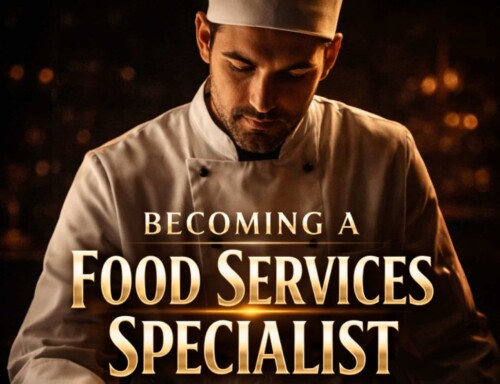
  • This 2-credit online course addresses the thinking, purpose, skill set and mind set of a Food Services Specialist. Teachers and students alike will be delighted to realize that handling, cooking, arranging, and serving food involves both skill and creativity.  This course is not only interesting, it is delicious! Click Here to View Syllabus UMass Global University Course Code: EDRU 9957

    Course Description

    This course covers the following main topics related to a career path: Restaurant and food services includes many kinds of work settings. Students should understand early that this field is much wider than one kitchen or one job title. It includes:
    • Restaurants
    • Cafés
    • Hotels
    • Catering companies
    • Bakeries
    • Food trucks
    • School cafeterias
    • Hospital food services
    • Event venues
    • Quick-service and takeaway businesses
    Each setting has its own pace and rhythm, but all of them depend on the same core values: quality, safety, teamwork, timing, creativity and service. Number of Professional Development Credits / Salary Points Teachers throughout the U.S. can earn 2 professional development credits by completing this online course or 2 graduate level credits (awarded through University of Massachusetts Global, formerly known as Brandman University). Target Audience This course is designed for all types of 6 through 12th grade teachers, including: early childhood education teachers, elementary school teachers, middle school teachers, high school teachers, special education teachers, staff, and administrators. Additional Information/Questions Here’s additional information about the Becoming a Food Specialist online professional development course:
    • This course is 100% online – the coursework and interaction.
    • You’ll have six months to complete all of your coursework from the date that you purchase this online course. If you’re enrolled in three or more 2-credit online courses simultaneously, upon request, you’ll be allowed one year to complete the course.
    • Once you’ve successfully completed the Becoming a Food Services Specialist course, you’ll earn 2 Professional Development Graduate credits.
    If you have any questions about this course, please email help@education4equity.com. Related Courses Becoming a Lawyer Becoming a Finance/Accountant Resource Resource: This online professional development class has been approved by UMass (University of Massachusettes).  
  • Becoming an Engineer– Online Professional Development Course

    This 2-credit online course addresses the thinking, purpose, skill set and mind set of an Engineer. Teachers and students alike will be delighted to realize that engineering is not a dry field but is rather a field that combines creativity with science, math, and design. Click Here to View Syllabus UMass Global University Course Code: EDRU 9962

    Course Description

    This course covers the following main topics related to a career path: Chapter 1, What IS Engineering? Six Branches, Infinite Possibilities Chapter 2, Engineering Legends & Breakthroughs, Stories That Changed the World Chapter 3, How Engineers Think, The Engineering Design Process Chapter 4, Engineering in Action, Real-World Scenarios Chapter 5, The Math & Science Behind Engineering, Why It All Makes Sense Chapter 6, The Future of Engineering, AI, Space, Biotech & Smart Cities Chapter 7, Your Engineering Career Roadmap, Jobs, Degrees & Next Steps Number of Professional Development Credits / Salary Points Teachers throughout California and the U.S. can earn 2 professional development credits by completing this online course or 2 graduate level credits (awarded through University of Massachusetts Global, formerly known as Brandman University). Target Audience This course is designed for all types of 6 through 12th grade teachers, including: early childhood education teachers, elementary school teachers, middle school teachers, high school teachers, special education teachers, staff, and administrators. Additional Information/Questions Here’s additional information about the Becoming an Engineer online professional development course:
    • This course is 100% online – the coursework and interaction.
    • You’ll have six months to complete all of your coursework from the date that you purchase this online course. If you’re enrolled in three or more 2-credit online courses simultaneously, upon request, you’ll be allowed one year to complete the course.
    • Once you’ve successfully completed the Becoming an Engineer course, you’ll earn 2 Professional Development Graduate credits.
    If you have any questions about this course, please email help@education4equity.com. Related Courses Becoming a Lawyer Becoming a Finance/Accountant Resource Resource: This online professional development class has been approved by UMass (University of Massachusettes).