• If you want to change the world, pick up your pen and write.

    - Martin Luther
    Every student has a voice, and through this course, students' voices can be better heard through their creative writing and the publishing thereof. This course supports educators to apply creative writing principles to foster student creative thinking, writing skills, and presentation tool usage across disciplines. Participants will learn pedagogical approaches for a variety of creative writing genres - including personal narrative, fiction, poetry, journals and blogging - as well as how to incorporate digital media into creative writing lesson planning and how to use online resources effectively. All work and interaction is online. VIEW THE SYLLABUS Additional information:
    • Participant has 6 months to complete all coursework from the date of enrollment. If you purchase 3+ courses (which we encourage) we will work with you to sequence these courses and ensure you have ample time to complete them.
    • Completion of one lesson per week is recommended
    • Audience: Pre-K through 12th grade educators
    • Final product involves producing and sharing creative writing piece applying principles presented in course
    • Email us at education4equity@gmail.com if you need assistance or have questions.
    Comment from a teacher: "I never knew creative writing could be so fun, engaging, therapeutic, and eye-opening. This class taught me to love my own creativity and awakened me to techniques of how to help students find their personal creative voice through writing" (5 Stars). DISCLAIMER: This class has been approved by the Houston Independent School District.
  • "Music Integration... for ALL Teachers and Students"

    This course covers the neuro-scientific, multi-cultural, behavioral and academic benefits of music in the classroom, and provides practical ways to bring music into teaching practices for improved learning outcomes. All work and interaction is online. VIEW THE SYLLABUS Additional information:
    • Fee for Ashland University credits NOT included in price. Link will be provided after purchase on how to pay for credits.
    • Participants have 6 months to complete all coursework.
    • The recommended pace is to finish one lesson per week for 10 weeks
    • Audience: Pre-K through 12th grade educators, staff & administrators
    • Final product includes a written or presentation proposal
    • Email us at help.ed4equity@gmail.com if you need assistance or have questions.
    Teacher comment: "My district definitely values music and the arts when it comes to helping students have a holistic education experience. So I said to myself - ok - I will take a class on how to introduce music into my classroom. I envisioned the class talking about how to clap your hands to different beats to help you memorize math formulas. Well, that is all good, but this course opened my eyes to so much more, by teaching me how to use music for classroom management, emotional learning, instrument appreciation and even... silence appreciation. Take this course now and I guarantee a whole new world will open up to you on how to use music in your classroom to advance cognitive learning" (5 Stars).
  • "Exercise is the single most powerful tool that you have to optimize your brain function." - John Ratey, M.D.

    This course covers the value of movement and exercise, with the benefits it provides to learning, health, behavior, classroom management in the classroom, and even a teacher's ability to thrive in the teaching profession. In addition, ways to incorporate movement into instruction in and across all content areas are taught and practiced. VIEW THE SYLLABUS Additional information:
    • Fee for Ashland University credits NOT included in price. Link will be provided after purchase on how to pay for credits.
    • Participants have 6 months to complete all coursework.
    • The recommended pace is to finish one lesson per week for 10 weeks
    • Audience: Pre-K through 12th grade educators, staff & administrators
    • Final product includes a written or presentation proposal
    • Email us at help.ed4equity@gmail.com if you need assistance or have questions.

  • Course Title: Becoming An Accountant Number of Credits: 2 Credits (30hours) Objectives Here are the four concepts that will change how you see money forever:  
    LEARN CONCEPT 1:  Saving money reaps rewards in the future. This sounds obvious, yet most people never do it. The student who saves $50 a month from age 16 will have over $600 by graduation. Invested wisely, that seed grows. Know this concept and practice it, and you will win big. LEARN CONCEPT 2:  Spending money on things that make money is called investing. Jake (you'll meet him in Chapter 7) bought a truck and a commercial mower with his savings, not sneakers. That purchase made him more money. Spending on things that earn you MORE money is the single biggest difference between the wealthy and everyone else. Know this concept and you will win big. LEARN CONCEPT 3:  A Profit & Loss (P&L) report shows you whether you are winning or losing with money. If you track what comes in and what goes out, you will never be surprised by an empty bank account. Every business uses a P&L. Every finance professional read one. You will too, by the end of this course. LEARN CONCEPT 4:  A little discipline on your finances today creates long-term freedom. Jake summed it up perfectly at his graduation party. When asked what was the best thing he bought with his savings, he said: "Freedom. I bought freedom." Discipline is not about being cheap. It is about being in control.
    Course Overview The 3 Ms of Finance, A Letter to Students  
    Dear Future Finance Rockstar, Have you ever wondered why some people always seem to have money while others are always broken, even when they earn the same amount? The answer is not luck. It is not talent. It is not even how much you earn. It is three simple things:
     
    M1 MAKE Money Earn it, jobs, side hustles, businesses M2 MANAGE Money Budget, save, track every dollar M3 MULTIPLY Money Invest, make your money work for you
     
    👩‍🏫 TEACHER TIP When speaking to high schoolers, don't try to push every concept at once. Keep it simple and come back to these 3 M's again and again. The lemonade stand, the grass-cutting business, and the newspaper route help make these concepts practical and real. If students remember only one thing from this course, let it be: Make, Manage, multiply.
      Finance is About Mastering CONCEPTS, Not Memorizing Formulas This course is built around a powerful idea: the person who understands a few core financial concepts, and actually applies them, will outperform someone who memorized every formula in the textbook but never put them to use.   Course Outline Welcome, The 3 Ms of Finance, A Letter to Students 3 Chapter 1, Money 101, Understanding Your Own Finances 5 Chapter 2, The Language of Finance, Key Accounting Concepts 7 Chapter 3, Real-World Scenarios, Finance on the Job 9 Chapter 4, The Finance Career, Jobs, Descriptions & Career Path 12 Chapter 5, Getting Hired (Or not!), Resumes & What Goes Wrong 14 Chapter 6, Your Roadmap, Education, Courses & Next Steps 16 Chapter 7, Taking the Pathway Untrodden, Smart Stories of Young Winners 18   Description of Activities
    1. Read through the lesson content and watch the videos
    2. Take short quizzes
    3. Complete a writing assignment to reflect on your own interest and skill set as related to the career pathway being considered in this lesson. 
    4. Post written responses in a forum
  • Course Title: Becoming A Digital Marketing Specialist Number of Credits: 1 Credits (15 hours) Click Here to View Syllabus UMass Global University Course Code: EDRU 9965 Four Concepts That Will Change How You See the Internet
    LEARN CONCEPT 1:  Every ad, post, and email you see was a deliberate business decision. Nothing online happens by accident in marketing. The color of a button, the exact words in a headline, the time a post goes live, all of it is tested and intentional. When you understand this, you stop being a passive consumer and start seeing the invisible architecture of the digital world. LEARN CONCEPT 2:  Attention is the most valuable currency of the digital age. Every platform, TikTok, Instagram, YouTube, Google, is competing for your eyeballs. Brands pay billions to get those eyeballs. The digital marketer's job is to earn attention, hold it, and direct it toward a business goal. LEARN CONCEPT 3:  Data turns guesswork into strategy. Unlike traditional advertising where you hoped your billboard reached the right person, digital marketing tells you exactly who saw your ad, clicked it, bought something, and how much it cost to get them there. That data is power, and learning to read it is one of the most valuable skills in the world. LEARN CONCEPT 4:  You can start building a digital marketing portfolio TODAY, with no budget. Run a social media page for a school club. Write a blog. Help a local business with their Instagram. Create a YouTube channel about something you love. Every piece of content you create is a portfolio item that demonstrates real-world skill to future employers.
    Course Overview The 3 Cs of Digital Marketing, A Letter to Students  
    Dear Future Digital Marketer, Right now, someone is scrolling through their phone and stopping on a video, and that video was put there on purpose. A brand paid someone to plan it, create it, target the right audience, and measure whether it worked. That person is a digital marketer. And that job? It is one of the fastest-growing, highest-demand, most creative careers of the 21st century. Digital marketing sits at the intersection of creativity, psychology, data, and technology. You do not need to be a programmer. You do not need to be a graphic designer. You need to understand people, what they want, what they fear, what makes them click, share, and buy. This course will teach you the language, the tools, the strategies, and the career paths of digital marketing, and show you exactly how to start building real experience before you ever graduate. The internet is the world's biggest marketplace. Let's teach you how to thrive in it.
      The 3 Cs of Digital Marketing Every concept in this course connects back to three core principles. Master these and you will understand 80% of what every digital marketer does every day:  
    🎨 CREATE Build content that stops the scroll 🔗 CONNECT Reach the right people at the right time 💰 CONVERT Turn attention into action and revenue
      Course Outline Welcome, The 3 Cs of Digital Marketing, A Letter to Students Chapter 1, What IS Digital Marketing? The Digital Landscape Chapter 2, Social Media Marketing, Platforms, People & Algorithms Chapter 3, Content is King, Creating Content That Works Chapter 4, SEO, The Science of Being Found Online Chapter 5, Email, Paid Ads & Analytics, The Full Campaign Chapter 6, Real-World Scenarios, Digital Marketing on the Job Chapter 7, Your Digital Marketing Career, Jobs, Salaries & Portfolio Description of Activities
    1. Read through the lesson content and watch the videos
    2. Take short quizzes
    3. Complete a writing assignment to reflect on your own interest and skill set as related to the career pathway being considered in this lesson. 
    4. Post written responses in a forum
     
  • Course Title: A Career in Law Enforcement (Police Work) Number of Credits: 2 Credits (30 hours) Click Here to View Syllabus UMass Global University Course Code: EDRU 9959 Objectives LEARN CONCEPT 1: Law enforcement is about service, responsibility, and real-world problem-solving—not what you see on TV. Most of the job involves communication, decision-making, and community interaction rather than high-intensity action. LEARN CONCEPT 2: Law enforcement offers multiple career paths, but almost all begin in patrol. Patrol experience builds the foundation required for advancement into investigations, specialized units, and leadership roles. LEARN CONCEPT 3: The profession demands strong communication, sound judgment, physical fitness, and personal integrity. These qualities are evaluated long before hiring and can be developed starting now. LEARN CONCEPT 4: The hiring process is rigorous and selective, designed to evaluate readiness, character, and trustworthiness. Preparation, honesty, and consistency are what separate successful candidates from the rest.  

    Course Overview

    Law enforcement is one of the most demanding and impactful careers in the United States. This course introduces students to the realities of the profession—what officers actually do, how different agencies operate, and what it takes to enter and succeed in the field. From Observer to Prepared Applicant Most people see law enforcement from the outside. This course shifts that perspective by explaining how the job actually works—from patrol responsibilities to report writing, crisis response, and long-term investigations. Students will explore the structure of law enforcement agencies, daily responsibilities, career pathways, and hiring expectations. By the end of the course, students will understand not just the job—but how to prepare for it before ever applying. The 4 Traits of Successful Law Enforcement Candidates Communication: Listening, de-escalation, and clear report writing Judgment: Decision-making under pressure and situational awareness Physical Fitness: Strength, endurance, and long-term conditioning Character: Integrity, accountability, discipline, and professionalism

    Course Outline

    • Introduction: What Is Law Enforcement?
    • Chapter 1: What Police Officers Actually Do Chapter 2: Types of Law Enforcement Careers Chapter 3: Skills and Traits Needed
    • Quiz 1 (Chapters 1–3)
    • Chapter 4: Education and Requirements Chapter 5: The Hiring Process Chapter 6: How to Start Now
    • Quiz 2 (Chapters 4–6)
    • Final Exam (Essay-Based) Final Reflection

    Description of Activities

    • Read and analyze course content and real-world law enforcement scenarios
    • Watch career-focused videos on law enforcement roles and responsibilities
    • Complete quizzes to assess understanding of key concepts
    • Participate in discussions about ethical situations, decision-making, and community interactions
    • Reflect on personal readiness, strengths, and areas for improvement
    • Complete a final written essay and personal action plan
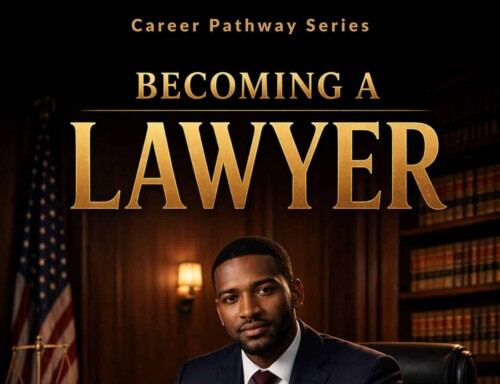
  • Course Title: Becoming a Lawyer Number of Credits: 2 Credits (30 hours) Click Here to View Syllabus UMass Global University Course Code: EDRU 9955 Objectives LEARN CONCEPT 1: Law is a system that shapes everyday life. The legal system affects housing, business, education, family life, and individual rights. Lawyers operate within this system to solve problems, protect people, and navigate complex rules that impact society daily. LEARN CONCEPT 2: Lawyers are professional problem-solvers—not just courtroom performers. Most legal work happens through reading, writing, researching, and advising. Strong lawyers understand details, anticipate risks, and use logic to guide decisions long before a case ever reaches court. LEARN CONCEPT 3: Logic, reading, and argumentation are core legal skills. The foundation of law is the ability to analyze information, identify flaws in reasoning, and construct persuasive arguments. These skills are valuable not only in law, but in any career. LEARN CONCEPT 4: You can begin building legal skills now. Students do not need to wait for law school to start developing relevant skills. Reading deeply, writing clearly, debating respectfully, and thinking critically are all accessible starting points for a future in law.  

    Course Overview

    Every society relies on laws to function, and every law requires people who understand and apply it. This course introduces students to the legal profession, exploring what lawyers actually do, the different types of legal careers, and the path required to enter the field.

    From Student to Legal Thinker

    Most people see law from the outside—as rules or court cases. Lawyers see the structure behind those rules: how laws are written, interpreted, challenged, and applied. This course helps students shift from simply following rules to understanding how legal systems work. Students will examine real-world legal scenarios, learn how arguments are constructed, and explore how lawyers influence outcomes that affect individuals, businesses, and entire communities. By the end of the course, students will understand both the opportunities and responsibilities of a career in law.

    The 5 Traits of Successful Legal Professionals

    Analytical Thinking: Ability to break down complex information and identify key issues Communication: Clear writing and persuasive speaking Attention to Detail: Precision in reading and interpreting legal language Ethics: Commitment to fairness, honesty, and professional responsibility Resilience: Ability to handle pressure, complexity, and long-term challenges

    Course Outline

    • Introduction: What Is Law and Why It Matters?
    • Chapter 1: What Lawyers Actually Do
    • Chapter 2: Types of Lawyers and Career Paths
    • Chapter 3: Winning Arguments and Legal Reasoning
    • Quiz 1 (Chapters 1–3)
    • Chapter 4: The Road to Law School
    • Chapter 5: Good Lawyers vs. Bad Lawyers
    • Chapter 6: Professional Skills: Thinking, Presentation, and Judgment
    • Quiz 2 (Chapters 4–6)
    • Chapter 7: Famous Lawyers and Legal Impact
    • Chapter 8: Your Future in Law
    • Final Reflection / Project

    Description of Activities

    • Read and analyze course chapters and real-world legal scenarios
    • Watch educational videos on legal reasoning and career paths
    • Participate in discussions about ethical dilemmas and legal decisions
    • Practice identifying flaws in arguments and building logical responses
    • Engage in classroom activities such as mock client interviews and debates
    • Complete quizzes to assess understanding of key legal concepts
    • Reflect on personal interests and potential career pathways in law
    • Complete a final written or presentation-based project
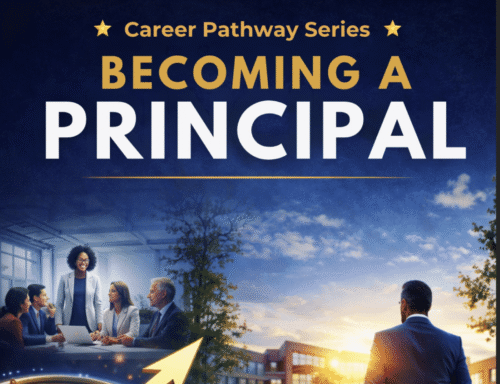
  • Course Title: BECOMING A SCHOOL PRINCIPAL  Number of Credits: 2 Credits (30 hours) Click Here to View Syllabus UMass Global University Course Code: EDRU 9954 Objectives LEARN CONCEPT 1: A principal’s most important job is not managing, it is leading. Management keeps things running. Leadership makes things better. A great principal does not simply maintain systems or enforce rules; they create a vision for what a school can become and inspire students, teachers, and families to work toward it together. LEARN CONCEPT 2: School culture is the most powerful force inside any school building. Culture shapes how students feel when they walk through the doors each morning. In strong schools, students feel safe, teachers feel supported, and families feel welcomed. Principals influence school culture more than anyone else because their leadership sets the emotional tone for the entire community. LEARN CONCEPT 3: Data is a school leader’s compass, not their judge. Attendance rates, test scores, graduation rates, discipline reports, and teacher retention all tell a story about a school. Effective principals use data with curiosity and compassion to guide improvement, solve problems, and ensure every student receives the support they need. LEARN CONCEPT 4: The best principals were almost always strong teachers first. School leadership begins with understanding teaching and learning at a deep level. Principals who have experienced the challenges and rewards of the classroom are better equipped to support teachers, connect with students, and make informed instructional decisions.  

    Course Overview

    Every school needs strong leadership to help students succeed, teachers grow, and communities thrive. This course introduces students to the world of educational leadership and explores what principals actually do each day behind the scenes. The 3 Ls of School Leadership Every concept in this course connects back to three foundational principles that define outstanding school leaders: 🧭 LEAD — Guide your school with vision, courage, and clarity 📚 LEARN — Remain a lifelong learner of teaching, leadership, and people 🌱 LIFT — Support and elevate every student, teacher, and community member around you From Student to School Leader Many people see principals only during announcements, assemblies, or disciplinary situations. In reality, principals are responsible for creating school culture, supporting teachers, solving problems, managing operations, communicating with families, and leading long-term school improvement efforts. Students will explore real-world leadership scenarios, learn how schools operate, and examine the educational pathways required to become a principal. By the end of this course, students will better understand both the opportunities and responsibilities that come with leading a school community. The 5 Traits of Successful School Leaders Vision: Ability to create and communicate a meaningful direction for the school Communication: Clear listening, speaking, and relationship-building skills Decision-Making: Confidence in solving complex problems fairly and thoughtfully Organization: Managing people, schedules, systems, and responsibilities effectively Empathy: Understanding and supporting the needs of students, teachers, and families   Course Outline Welcome, The 3 Ls of School Leadership, A Letter to Students & Educators Chapter 1, What Does a Principal Actually Do? A Day in the Life Chapter 2, The Journey to the Principal’s Office, Education & Credentials Chapter 3, Leadership That Transforms Schools, Culture, Vision & People Chapter 4, The Business Side of Running a School, Budgets, Data & Resources Chapter 5, Real-World Scenarios, Decisions a Principal Makes Every Day Chapter 6, Working with Communities, Parents & School Boards Chapter 7, Your Career Roadmap, From Student to School Leader Quiz 1, Chapters 1–3 Knowledge Check Quiz 2, Chapters 4–7 Knowledge Check Final Essay, Your Leadership Vision Statement Resources, Recommended Books, Certifications, Videos & Organizations   Description of Activities
    • Read and analyze course chapters and leadership case studies
    • Watch videos about school leadership, educational systems, and decision-making
    • Participate in classroom discussions about school culture and leadership challenges
    • Complete reflection assignments about personal leadership strengths and goals
    • Practice solving realistic school leadership scenarios
    • Engage in collaborative activities involving communication and teamwork
    • Complete quizzes to assess understanding of educational leadership concepts
    • Develop a final written leadership vision statement
  • Course Title: Becoming A Project Manager Number of Credits: 1 Credits (15 hours) Click Here to View Syllabus UMass Global University Course Code: EDRU 9953 Objectives
    1. Understand what Project Managers do.
    2. Understanding how to manager the 3 main elements of Time, Budget and Quality
    3. Learn the steps for becoming an Effective Project Manager
       Course Overview   What is a Project Manager? A project manager is the person responsible for planning, executing, monitoring, and closing a project on time, within budget, and to the satisfaction of everyone involved. They are simultaneously a strategist, a communicator, a risk analyst, a motivator, and a problem-solver. When something goes wrong, they are the ones who figure out what to do next. When things go right, they are often the reason why, even if nobody quite realizes it. A project, formally defined, is a temporary endeavor with a defined beginning and end, undertaken to create something unique. Building a school mobile app, planning a community fundraiser, launching a new product line, redesigning a company website: all of these are projects. And every project needs someone who takes responsibility for making it happen.   Course Outline Introduction: Why Project Management Matters 3 Chapter 1: What Is Project Management? 4 Chapter 2: The Project Manager's Toolkit 6 Chapter 3: Career Path and Job Descriptions 8 Chapter 4: Real-World Applications and Case Studies 10 Chapter 5: Education and Certifications for Project Managers 12 Chapter 6: Launching Your Career as a Project Manager 14 Chapter 7: A Project Example – Building a Tennis Court 17   Description of Activities
    1. Read through the lesson content and watch the videos
    2. Take short quizzes
    3. Complete a writing assignment to reflect on your own interest and skill set as related to the career pathway being considered in this lesson. 
    4. Post written responses in a forum